Work out which cockroach you have
Two kinds account for most of what people find in houses here, and they need different answers, so it is worth a proper look before buying anything.
- The small one, about as long as a fingernail, light brown with two dark stripes just behind the head. That is the German cockroach: the one behind the ref, inside the rice cooker and under the sink hinges. It lives and breeds indoors, and it breeds fast.
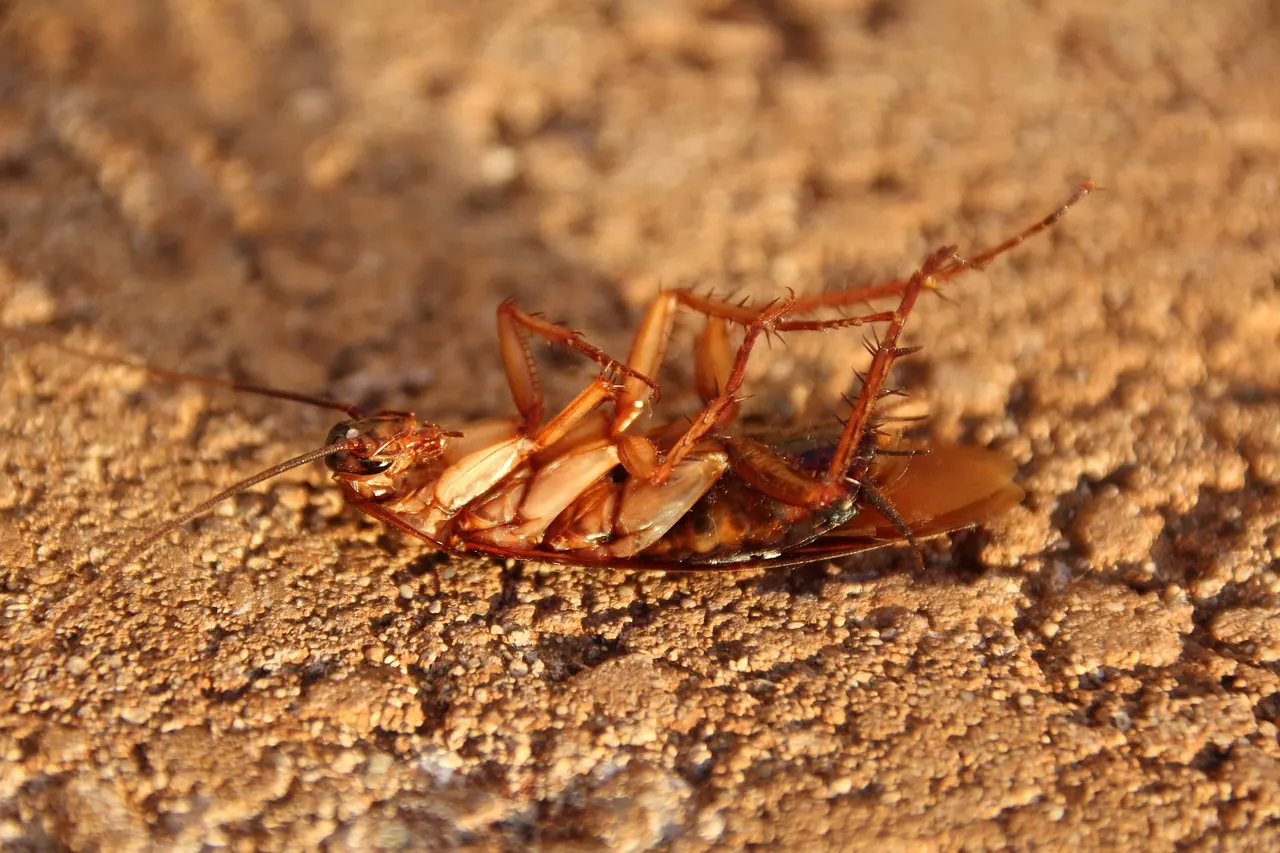
- The big reddish-brown one, three to four centimetres long, that comes up through the floor drain or flies in at night. That is the American cockroach. It mostly lives in drains, septic tanks and canals and wanders in from there.
The signs that tell you how bad it is
- Droppings (tae ng ipis). The small cockroach leaves specks like ground pepper or coffee grounds on shelves and in drawer corners. The big one leaves dark little cylinders with ridges down the sides.
- Egg cases (itlog ng ipis). Brown capsules about the size of a grain of rice or a little bigger, stuck in corners or lying loose in cabinets. Each one holds a whole batch of eggs, so finding several means they are breeding in the house.
- Cockroaches out in daylight. They hide during the day, so one crossing the counter at noon usually means the hiding places are already full.
- A musty, oily smell in a cupboard that comes back after cleaning.
What the droppings tell you, and why they matter for anyone with asthma, is in cockroach poop.
What to do this week
Take away food and water at night
Wipe the counter and the stove after the last meal, keep rice, bread and pet food in containers that close, and leave nothing wet in the sink or the dish rack overnight. A cockroach can go a long time without food. It cannot go long without water.
Close the drains
The big ones come up through floor drains, and a drain cover that shuts, or a fine mesh under the grate, stops most of them. Run water down drains that are rarely used, so the trap does not dry out and leave an open pipe.
Use bait instead of spray
Gel bait or bait stations, placed in small dots on cabinet hinges, behind the ref, under the sink and along pipes, do more than an aerosol ever will. Spray kills the cockroach you can see and drives the rest deeper into the walls, while bait gets carried back to where they hide. Keep it out of reach of children and pets, and follow the label.
Seal the gaps
Caulk the line along the backsplash, the gaps around pipes under the sink and the holes where cables come through the wall. Every crack you close is one less place for them to lay eggs.
Clear the cardboard
Boxes, newspapers and paper bags kept in the kitchen are where the small ones like to breed. Move them out, or into plastic boxes with lids.
Why they keep coming back
Usually for one of three reasons. The egg cases hatch after the adults have died, so the problem looks solved for two weeks and then returns. A neighbouring unit or a shared drain line keeps sending new ones. Or the spray scattered them into places nobody treated, and they are breeding there now.
In apartments, rows of houses and restaurants, the building is often the thing that needs treating, and one kitchen on its own will keep losing.
When to book a treatment
If you are finding egg cases, if they are out in daylight, or if a kitchen that serves customers has them at all, book an inspection. We start by finding where they live, then place bait and targeted treatment on those spots, and leave you with the few changes that keep them from coming back.
We cover Pampanga, Bulacan, Bataan, Tarlac and Olongapo. Send a message through the contact form with your town and where you are seeing them, and we will get back to you to set a time.