Find where they are breeding
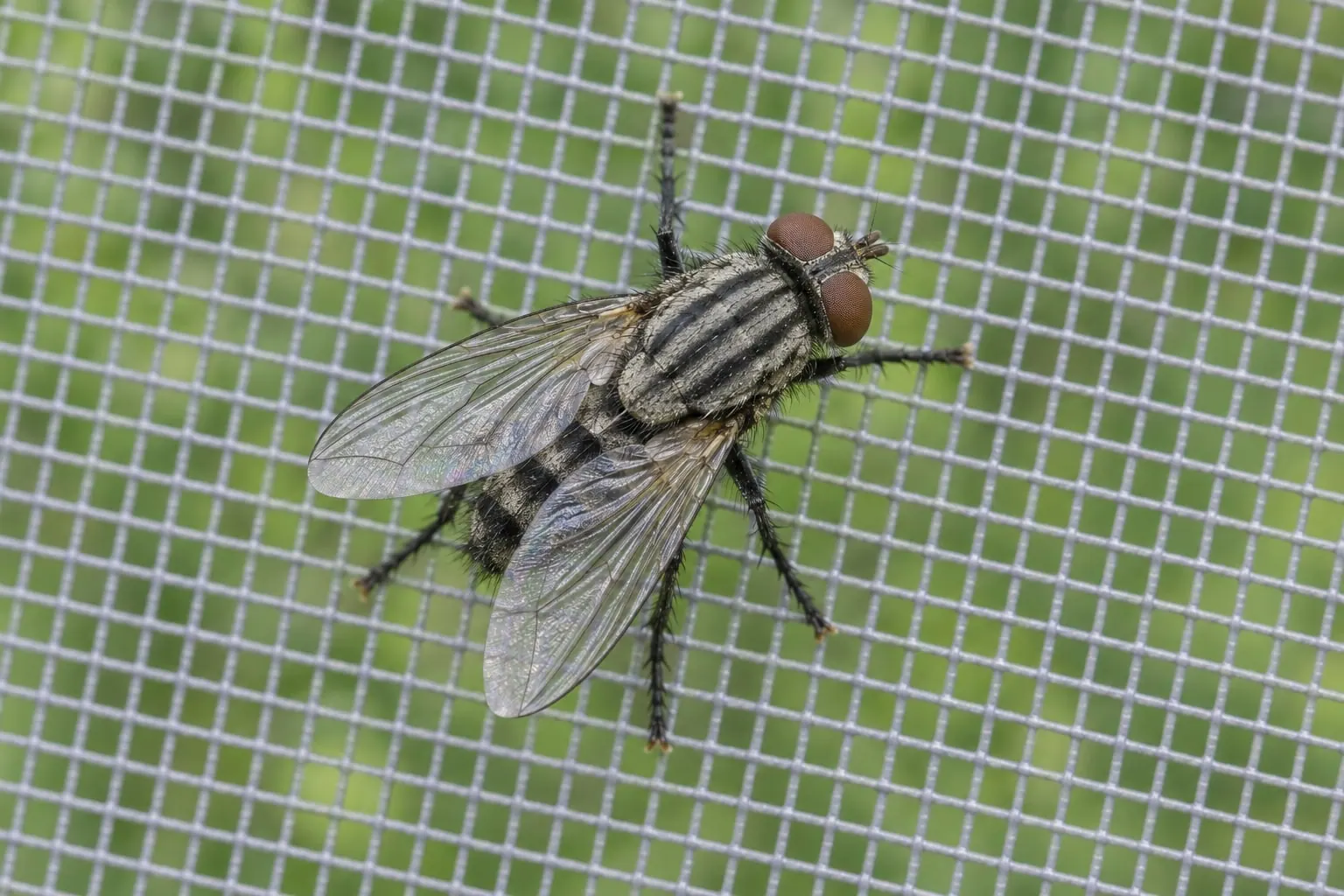
House flies, the langaw that land on the table, lay their eggs in wet, rotting organic matter: garbage, food scraps, pet and animal droppings. In warm weather a new generation can go from egg to adult in as little as seven to ten days, so the flies in the kitchen this week were usually bred somewhere close by the week before.
What the eggs look like, and how fast they hatch, is on itlog ng langaw, in Tagalog.
Before buying anything, walk round and look for the source. The usual ones are:
- the kitchen bin, and the bags waiting outside for collection;
- where the dog is fed and does its business, or where chickens are kept;
- a compost heap, or scraps thrown behind the house;
- a blocked outdoor drain or a sink trap full of food.
Take away what they breed in
Use bins with lids that close, and line them. Take wet waste out often in hot weather, well before a week has passed, and wash the bin itself now and then, since the residue in the bottom is enough. Pick up pet droppings every day. Keep compost covered, and do not leave food scraps in the open.
This is the step that changes next week’s numbers. Everything else only deals with the flies already here.
Keep them out
Screens on the windows and doors do more than any spray. Mend torn mesh, keep outside doors shut while food is out, and fit a screen door on the kitchen if it opens onto the yard.
Deal with the ones already inside
A swatter and sticky traps near the windows handle a few. Fly baits work best outside, placed around the bins where flies gather, never where food is prepared. Read and follow the label on anything you buy. Spraying the kitchen kills what is flying today and leaves the breeding site where it was.
The small flies around the fruit and the sink
The tiny ones are usually a different problem. Fruit flies are about three millimetres long, tan, with red eyes, and breed in rotting fruit and vegetables, the dregs of juice and soda cans, recycling bins and mop buckets. Drain flies look like tiny fuzzy moths and breed in the grey film that builds up inside drains.
- Throw out overripe fruit, rinse cans before they go in the recycling, and empty and dry the mop bucket.
- For drain flies, scrub the inside of the drain and the trap with a stiff brush. Pouring bleach or hot water down it does not clear the film they breed in.
- Look for leaks under the sink. Anything that stays damp can keep them going.
When it is worth asking us
If the bins are covered, the windows are screened and the flies still come, the source is usually outside your walls: a neighbouring lot, a canal, animals kept nearby, a restaurant’s bins. For a food business the stakes are higher, because flies around a kitchen are the kind of thing customers remember.
A visit starts with finding the breeding and resting sites round the property, then treating them, and ends with what to change so they stay away. We cover Pampanga, Bulacan, Bataan, Tarlac and Olongapo. Send a message through the contact form with your town and where you see them most.